Harmonies of Axe and Spirit: The Sonic Architecture of Assassin’s Creed Valhalla
Instruments of Blood and Memory — Crafting Identity Through Sound
At the heart of Assassin’s Creed Valhalla lies an audible soul: a score that refuses to be mere backdrop.The collaboration between composers Jesper Kyd, Sarah Schachner, and Einar Selvik forms a triad of musical vision that mirrors the very tensions Eivor wrestles with — between war and home, clan and creed, pagan and foreign.
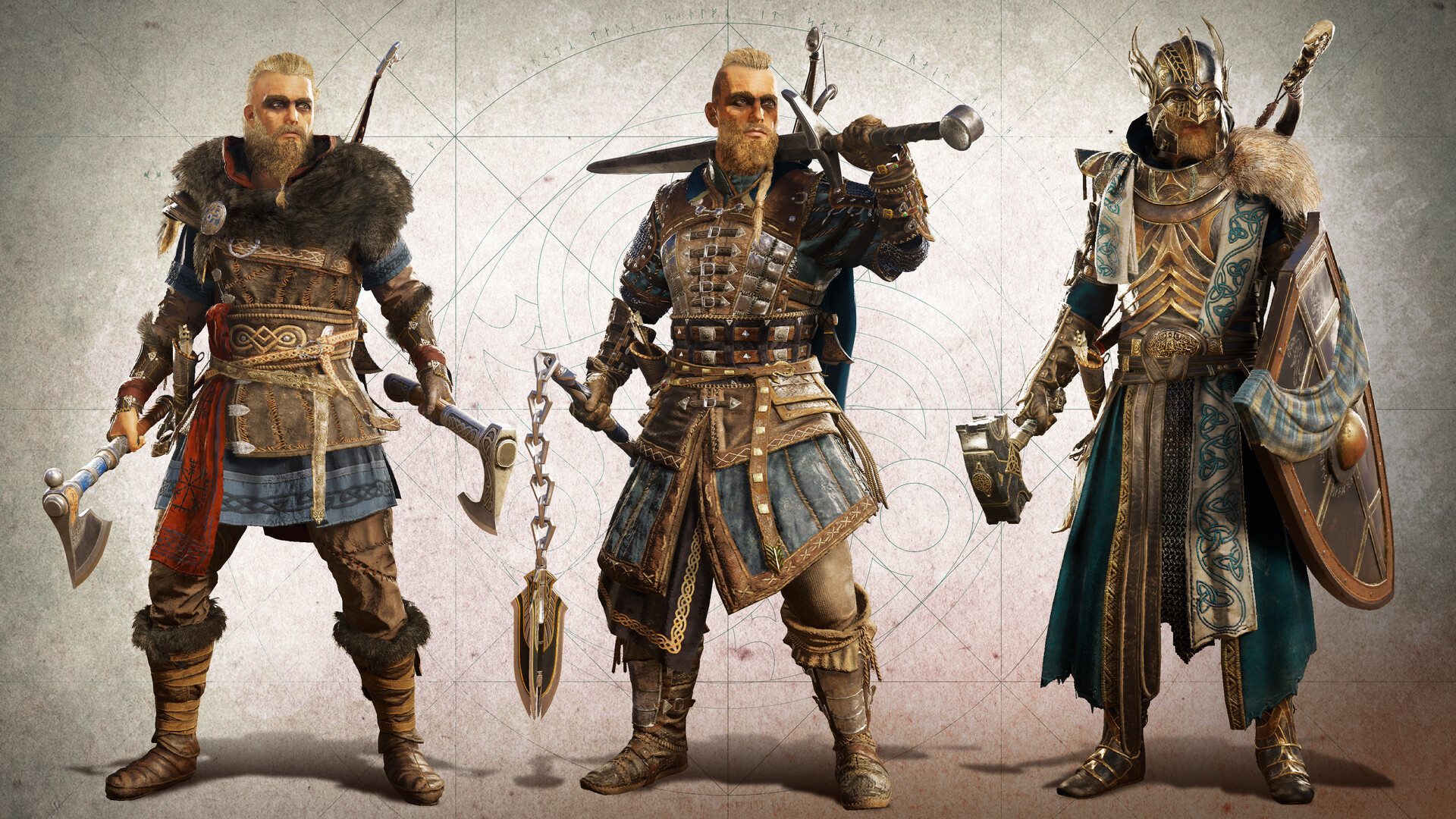
Traditional Norse instruments — lyres, tagelharpas, jaw harps — don’t just lend aesthetic flair, they stitch the player into the historical fabric. From the moment you set foot in Norway, the score doesn't narrate — it conjures.
Leitmotifs as Emotional Anchors — Following Eivor’s Footsteps in Melody
There’s a track early on — Out of the North — that encapsulates Eivor’s emotional architecture. It begins with a throaty chant over icy strings, conveying not just terrain but temperament. Melancholic, determined, ancient. As Eivor boards her longship to cross into England, the motif subtly evolves — the same vocal texture, but now layered with ambient whispers and drumbeats that suggest uncertainty and forward movement.
When you hear that motif resurface during later quests — particularly during the slower, reflective chapters such as the Lincolnscire pledge — it acts like emotional recall. Even without words, you feel that Eivor has traveled far, changed internally, yet still hums with the pulse of her homeland.
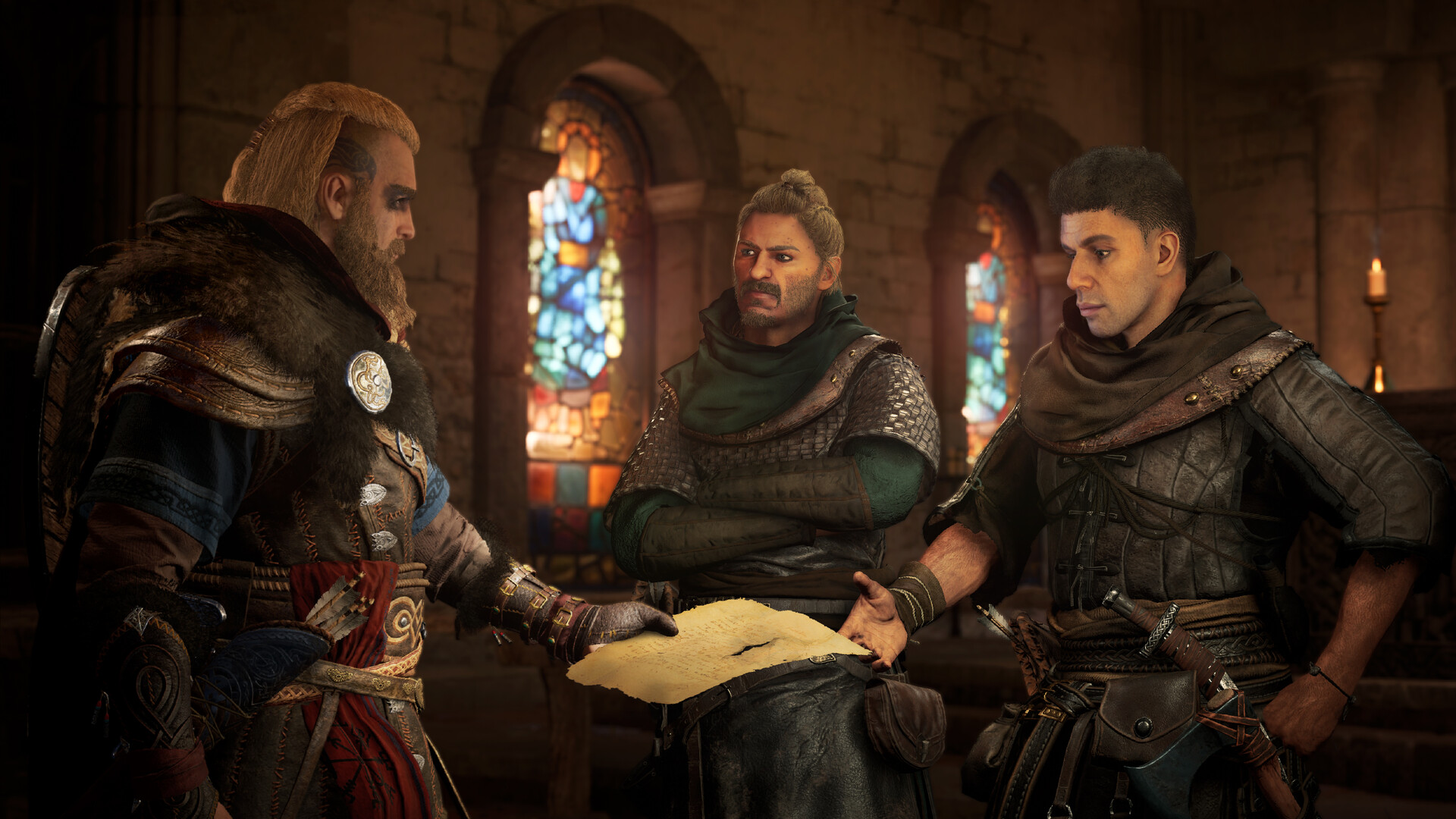
Jesper Kyd’s compositions lean into ambient tension, often bathing stealth missions or mystery-laced territories (like Lunden) in low, thrumming textures. His signature approach — minimalist repetition with slow-building dissonance — enhances the series' tradition, grounding Eivor’s experience in sound that respects narrative gravity without overwhelming it.
The Pulse of Combat — War as a Rhythmic Ritual
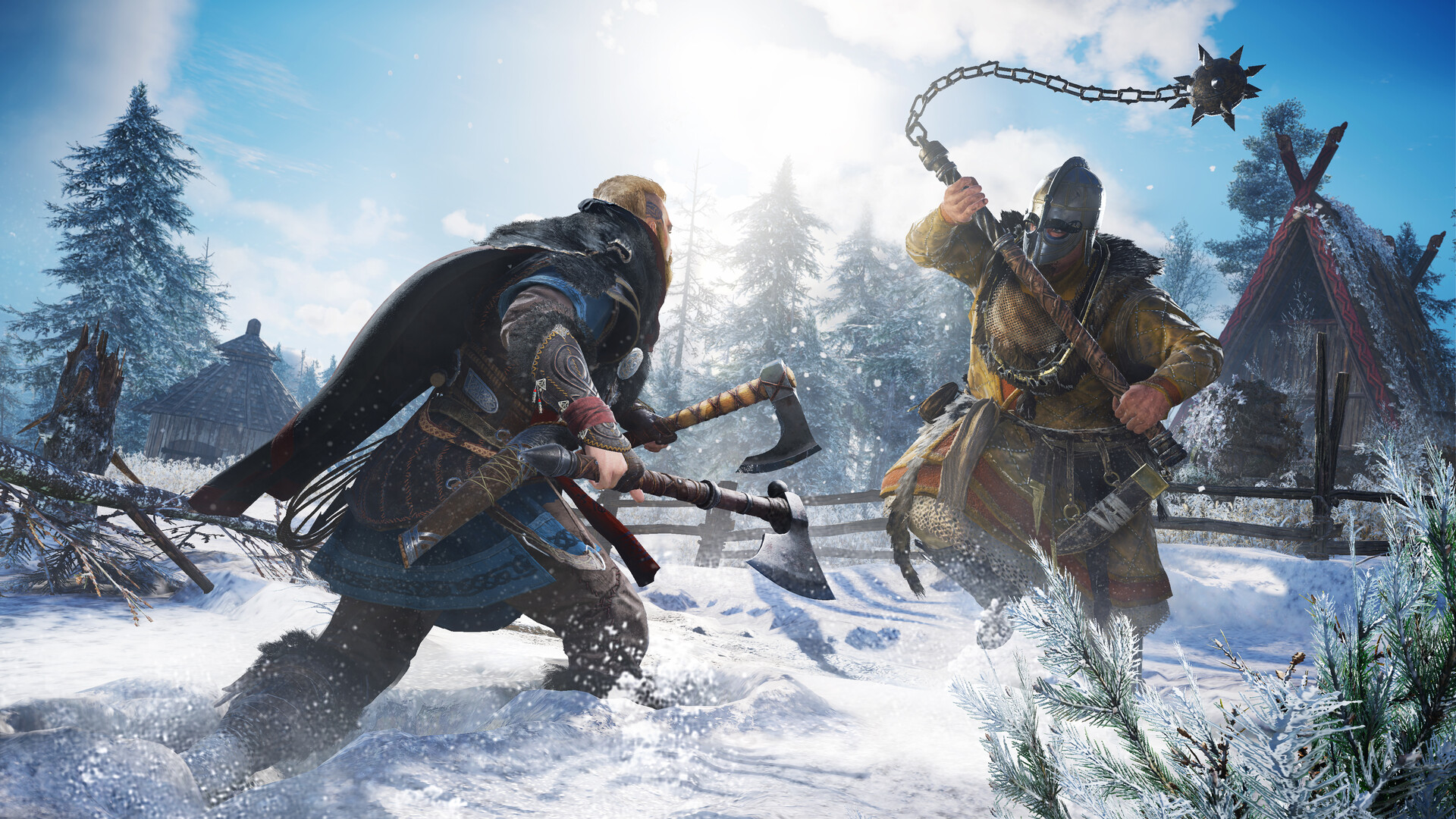
Combat in Assassin's Creed Valhalla isn’t merely frenetic. It’s ritualistic, brutal, and oddly choreographed — and the score reflects this perfectly. Sarah Schachner’s dynamic music system responds to playstyle, escalating with precision when battles swell and receding with eerie elegance when the blood settles.
The raid themes are standout examples: The Sceptred Isles and Kingdom of Wessex come to mind. With pounding war drums, percussive breathing loops, and dissonant vocalizations, the sonic landscape turns raids into trance states. It’s not just music — it’s invocation.
There’s a moment I remember vividly: raiding a monastery under storm-drenched twilight. As arrows flew and walls cracked, the music plunged into guttural harmonics. It wasn’t heroic — it was terrifying. And that tonal shift reminds players that Viking glory isn’t clean. It’s blood-soaked and spiritually ambiguous.
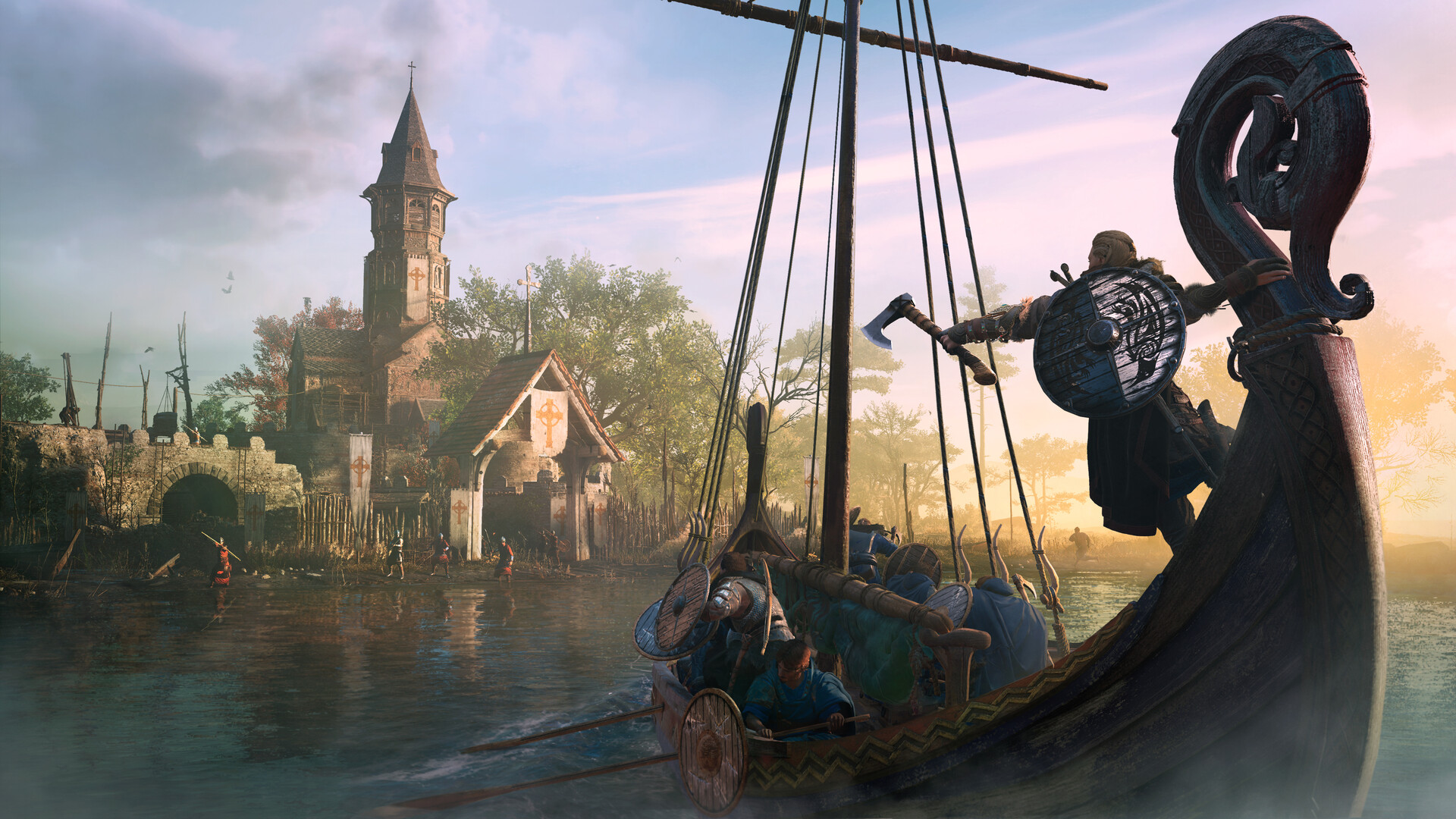
Even during boss fights — like encounters with zealots or legendary beasts — the tracks don’t default to epic swells. They stay rooted in primal motifs, often looping echoing chants that make you feel not like a hero, but like prey being judged by gods.
Myth Woven into Melody — Spiritual Reverence Through Sound
The Asgard arc reframes Valhalla’s musical palette completely. Tracks like Seeress’s Prophecy are intoxicating — slow, meandering, soaked in harmonic ambiguity. They do not celebrate gods — they channel them.
Vocal layering becomes central. Harmonized breath vocals — where singers mimic wind or whisper — simulate divine presence. Mythological soundscapes take players into Havi’s fractured psyche, emphasizing the game’s central thematic thread: is fate a curse or a compass?
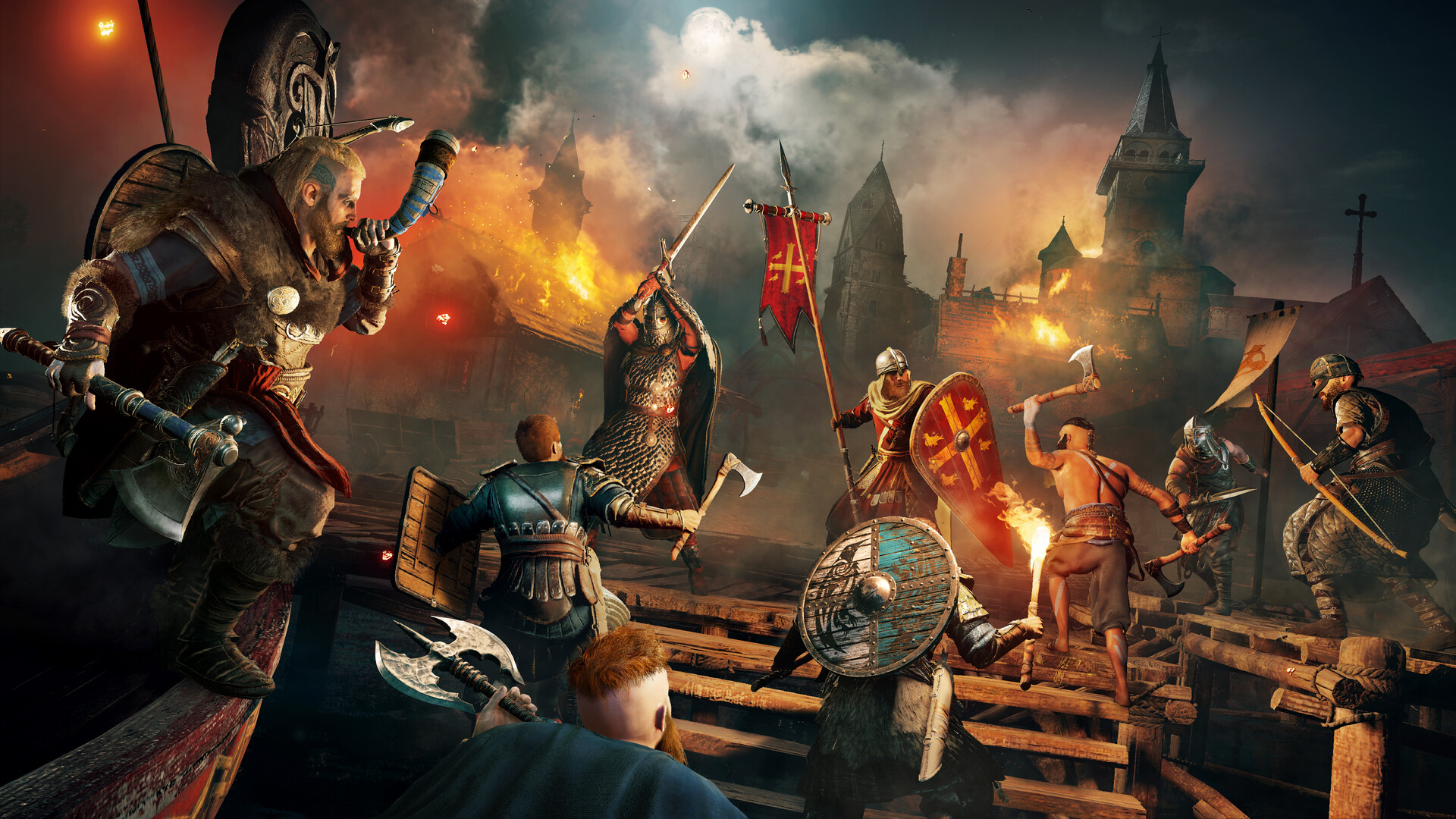
This spiritual dimension of the score bridges gameplay with philosophical reflection. As players explore Yggdrasil’s mysteries or confront reincarnated memories, music becomes more than mood — it becomes metaphor.
Ambient Soundscapes — Nature as a Conductor of Feeling
Even outside of score, Assassin's Creed Valhalla stuns with ambient audio design. Wind across wheat fields in Cent carries whispering motifs; the crunch of boots in snow-covered Hordafylke echoes percussively with internal rhythm. Ravens overhead are sharp, immediate — their cries weaving into forest themes like natural percussion.
The sound team integrated dynamic layering, meaning players who pause exploration — say, when sitting beside Petra in Ravensthorpe — are met not with silence, but with subtle melodic cues: a distant lyre, a gust that hums against carved stone, the creak of timber shifting in wind. It’s all designed to feel old, alive, and sacred.
The taverns buzz with multiple layers — lutes playing under overlapping conversations, the occasional burst of skaldic song.
A Score That Feels Lived In
What makes Valhalla’s music endure — even beyond gameplay — is how it reflects the duality of Viking life. Warriors who pray. Raiders who mourn. Leaders who sing laments.

The compositions refuse to simplify. They bend tonality around moral complexity. They treat historical settings not as playgrounds but as places with ancestral weight.
Whether you’re chasing elk through East Anglia or meditating at a cairn in Snotinghamscire, the game’s sonic fabric remembers where you came from — and asks, constantly, where you belong.
And that’s what elevates Assassin's Cred Valhalla. Music not as accompaniment, but as conscience.
Would you like a curated playlist of these themes with commentary on each? I’d be thrilled to dive even deeper into the scores that haunt, thrill, and transform.